
RECLAIMING BLACK HISTORY THROUGH MEDIA:
a photographic narrative by Lucille Wenegieme and Danielle Webster
ARTIST STATEMENT
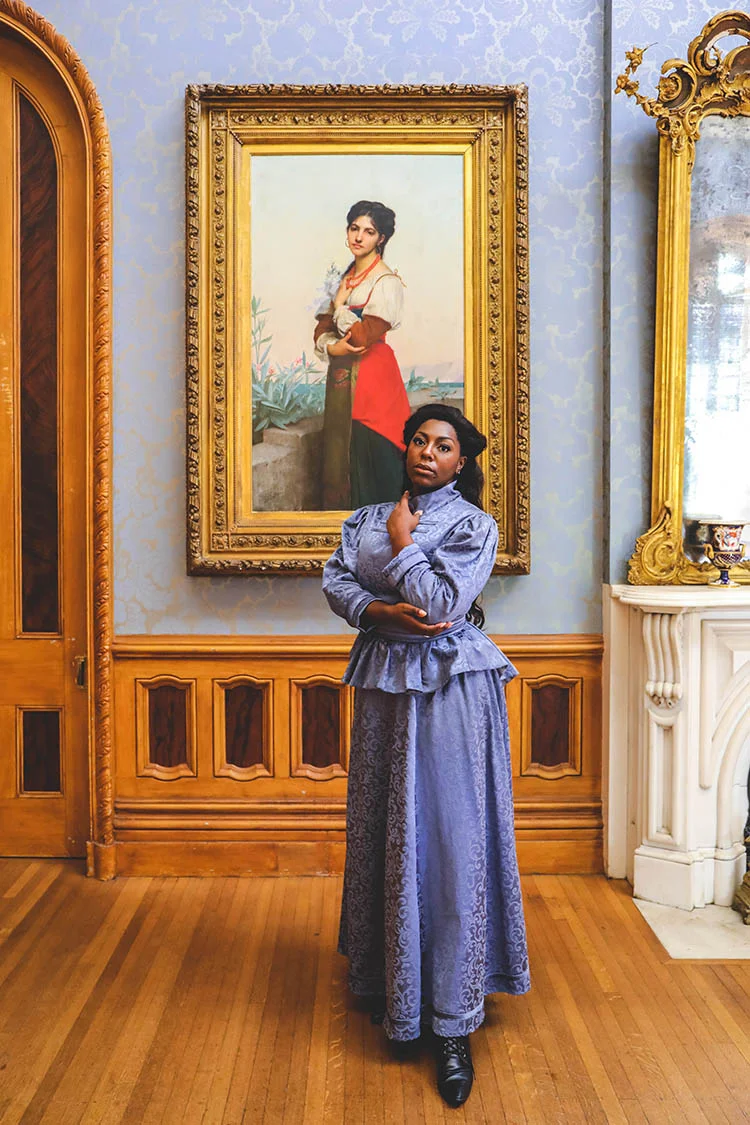
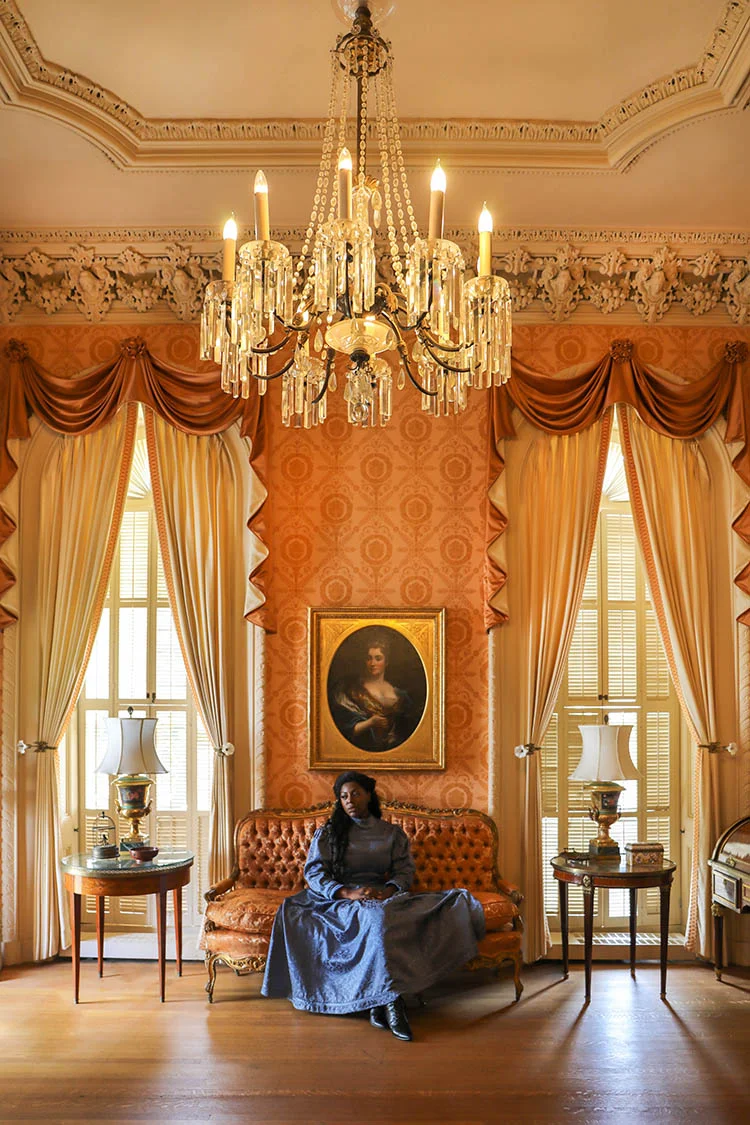
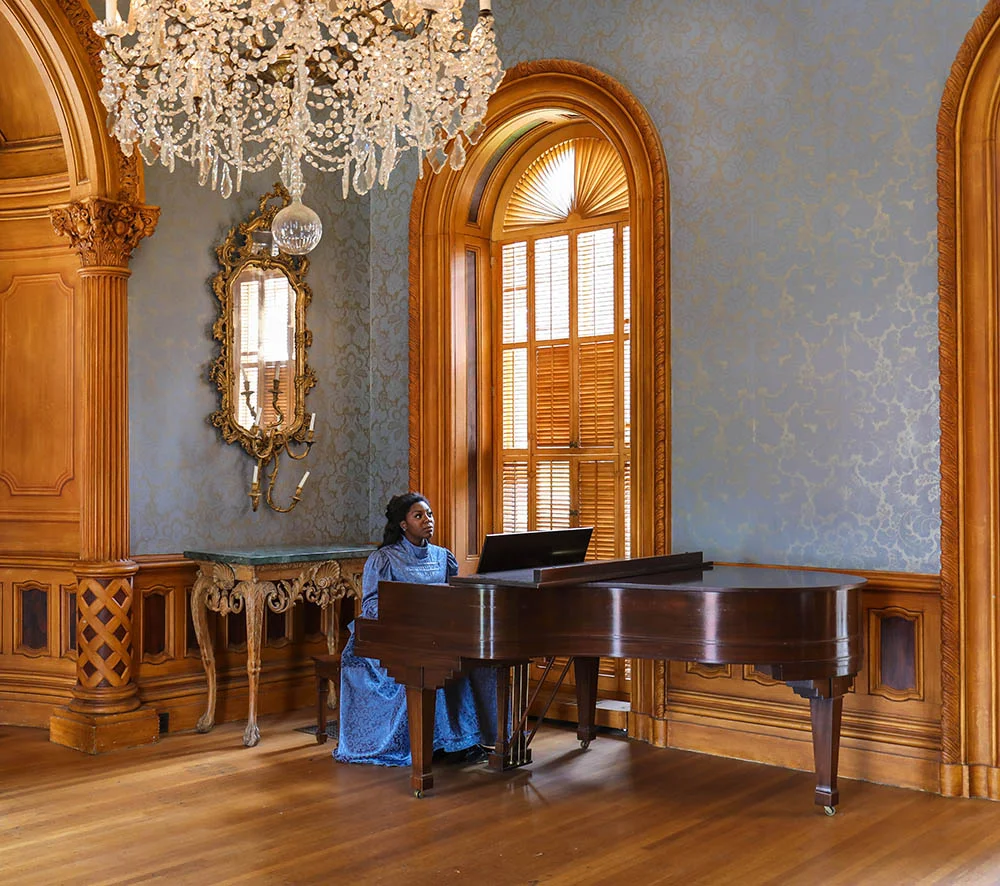
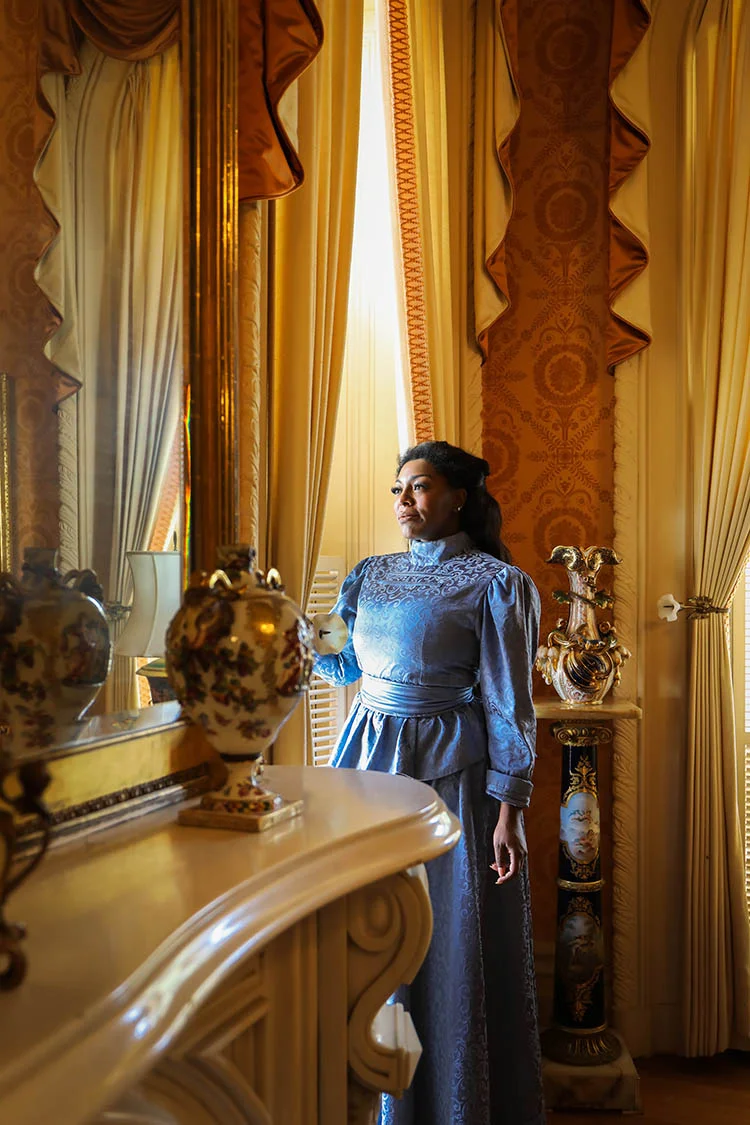
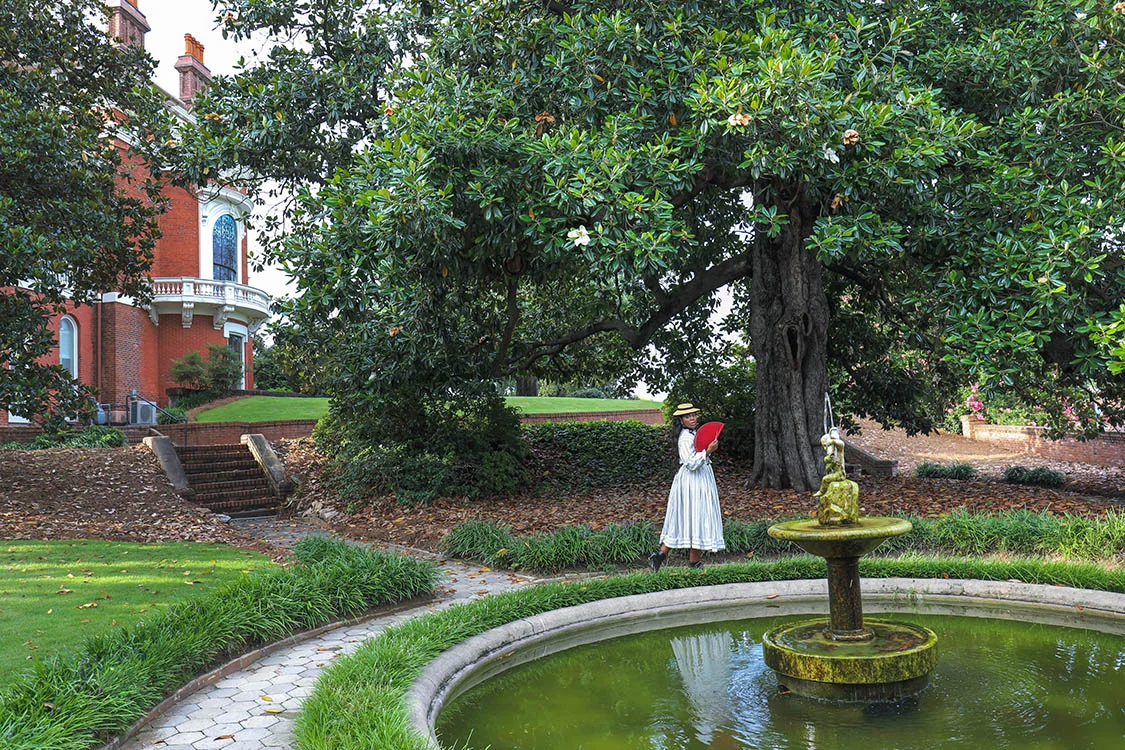
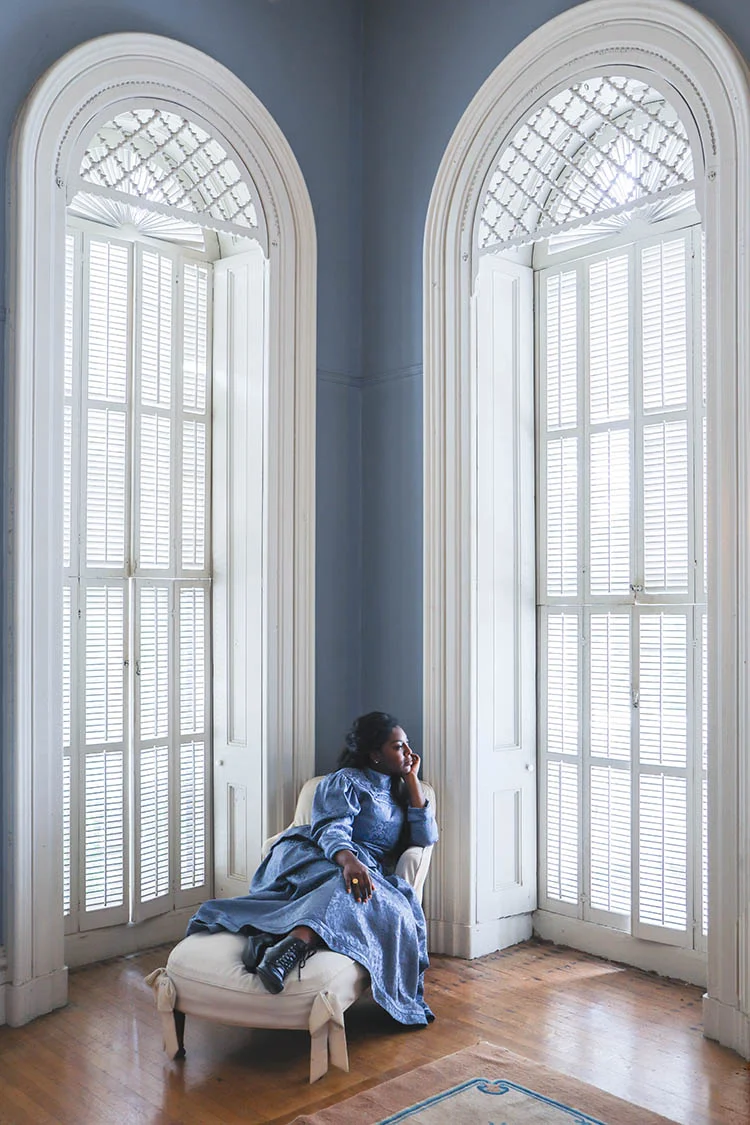
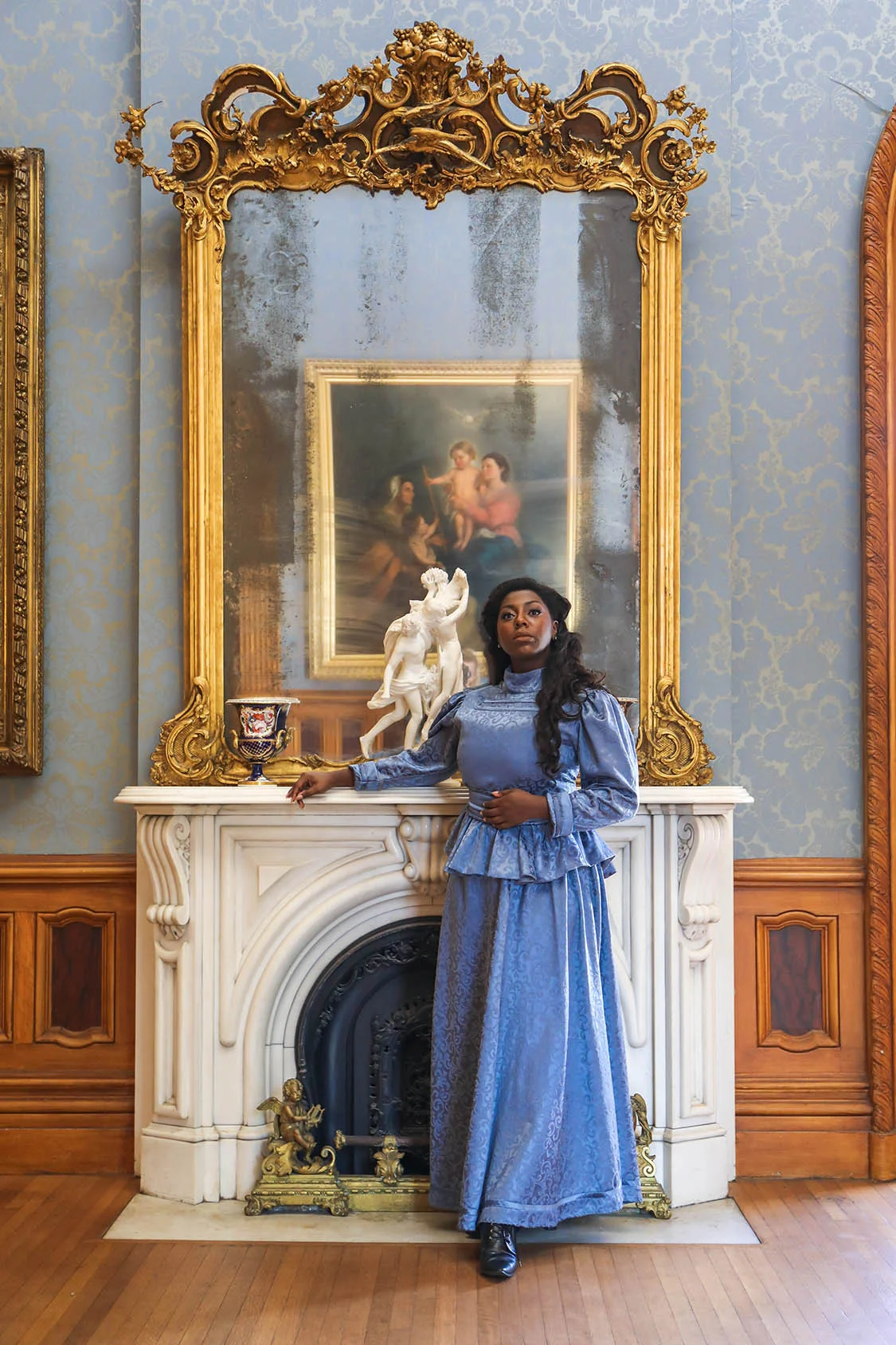
“Past as Prologue” was conceptualized by Lucille Wenegieme, directed & photographed by Danielle Webster. Collaboratively, this vision came to life in a former plantation home in Macon, Georgia to bring light to the impact of Black culture in history, and broaden historical narratives that inspire and empower using modern day technology and media.
The erasure of black people, black culture, and the totality of blackness is a hallmark of American life. Though black Africans have been on American soil for over 400 years, their impact, culture and voice continue to be omitted from the cultural mythos of American history. In an effort to sanctify its forefathers and minimize its sustained malignance, American historical storytelling spends only a few chapters on the stories of black impact in this country. Besides the obvious whitewash of historic realism, you hardly see black Americans in roles of power and ownership, even as their impact on agriculture, music and more continue to fuel every facet of American life. It is only today and in most recent decades that we have been able to truly see an increase in the acknowledgement of black cultural ownership, agency — and power.
These photos reclaim black history and stand as a modern time capsule in which to recover a lost history. We explore cultural and historic themes by meshing together traditional components with the modernity of today’s tools. What may have not been accessible in the past can be brought to life and reimagined today. Through modern media we can create a new version of history where the visual representation of black people in these spaces is meant to uplift instead of strip them from the places they themselves built.
This series is a way to reshape the way we view the past and to create waves in the minds of our generation as we rewrite elements of black history through the modern lens.
PROJECT INSPIRATION
This generation lives in a time where Beyonce is not only an important role model representing women, black empowerment, and success; even the name Beyonce has become a shorthand that is equally interchangeable with the meaning of success, fearlessness, and importance. Beyonce’s Formation video was one of the first times in history where a cultural icon was able to harness modern media to create a mainstream portrayal of black power that held a mirror to the media’s own body of work around the narrative of that time. This music video reshaped the way in which we view the Antebellum period both through the use of audio, visuals, and styling, as well as through the platform on which it was presented. This specific direction combined historic symbols and aesthetic with a modern day message. Beyonce in this role was able to raise the ghosts of history, specifically the Antebellum period, to revive, channel, and reclaim these spirits through media. The very presence of this video became a metaphor casting tall shadows that caused many viewers to re-evaluate their thinking. Due to this specific video, and the overall lack of this type of representation in our society, we were inspired to create a new and diverse depiction of black power. With this project we are cultivating, channeling, and expanding the way we view people of color in history, and in current society, through the use of modern technology. ‘Antebellum to Beyonce’ is about reclaiming black history through media.
PROCESS & TECHNIQUE
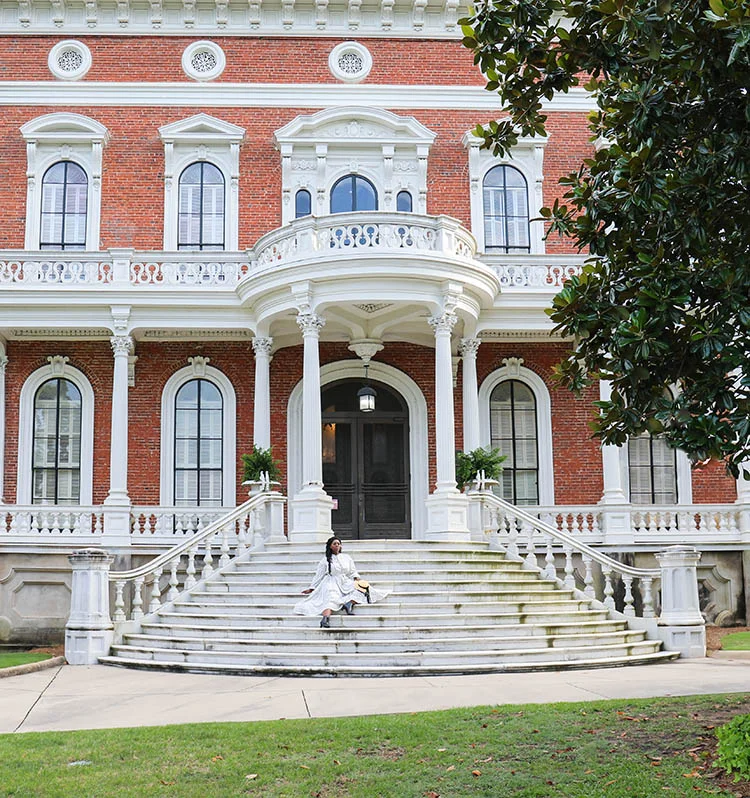
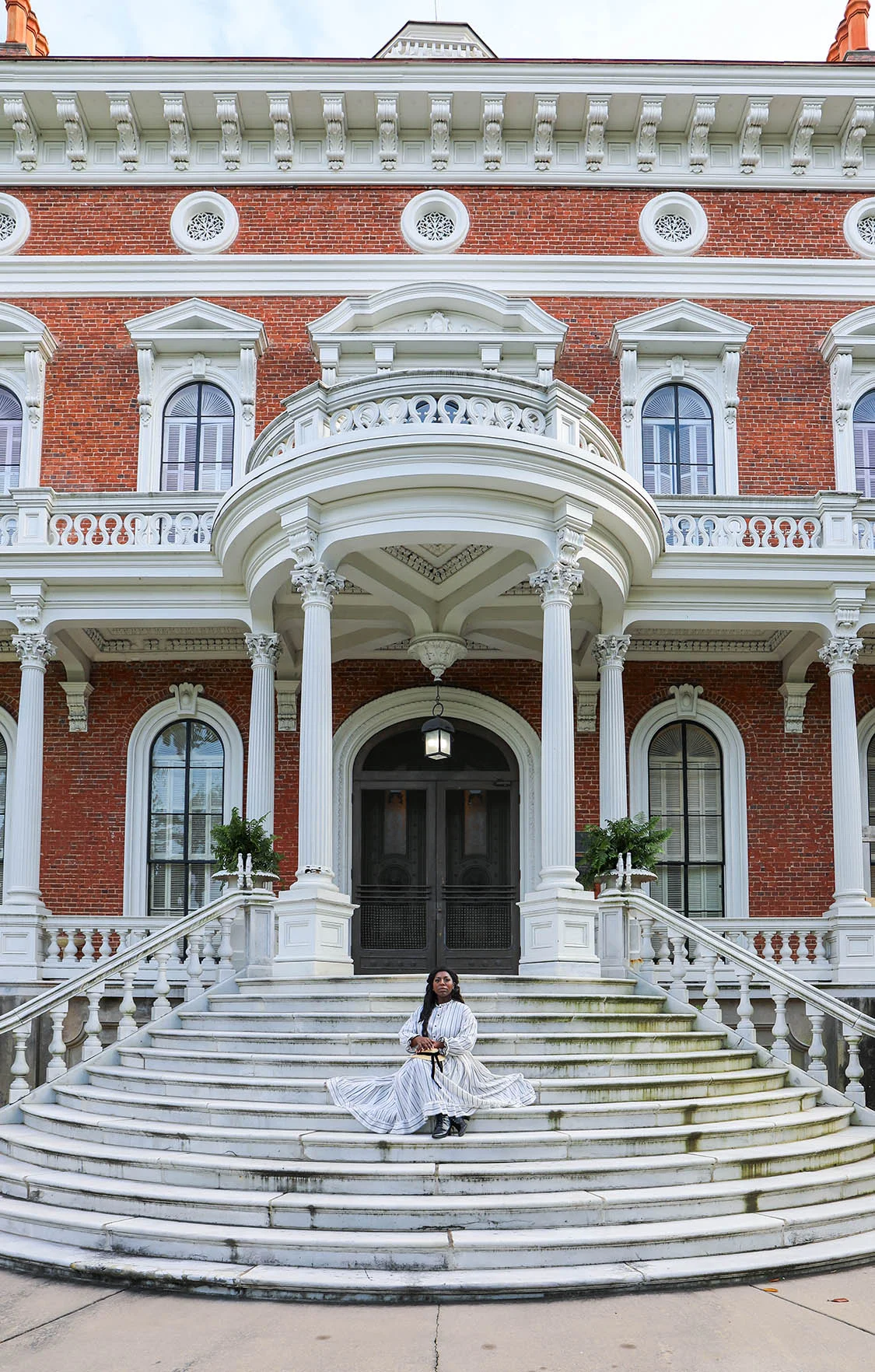
The process for this project was multifaceted. Numerous factors went into the way we chose to realize this story. First we had to decide where in the United States we would portray our photographic narrative. Living in Denver was a geographical barrier all on its own. We were looking for true Antebellum period relics such as large mansion-style plantation homes that were common in the South, typically built by people who weren’t allowed to occupy them. There are no plantation homes in Denver, and even the historical timeline puts Denver as a very young town, which wouldn’t become an official city until 100 years after the war. Although locations like South Carolina and Louisiana were considered, we ended up choosing Macon, Georgia as our destination.
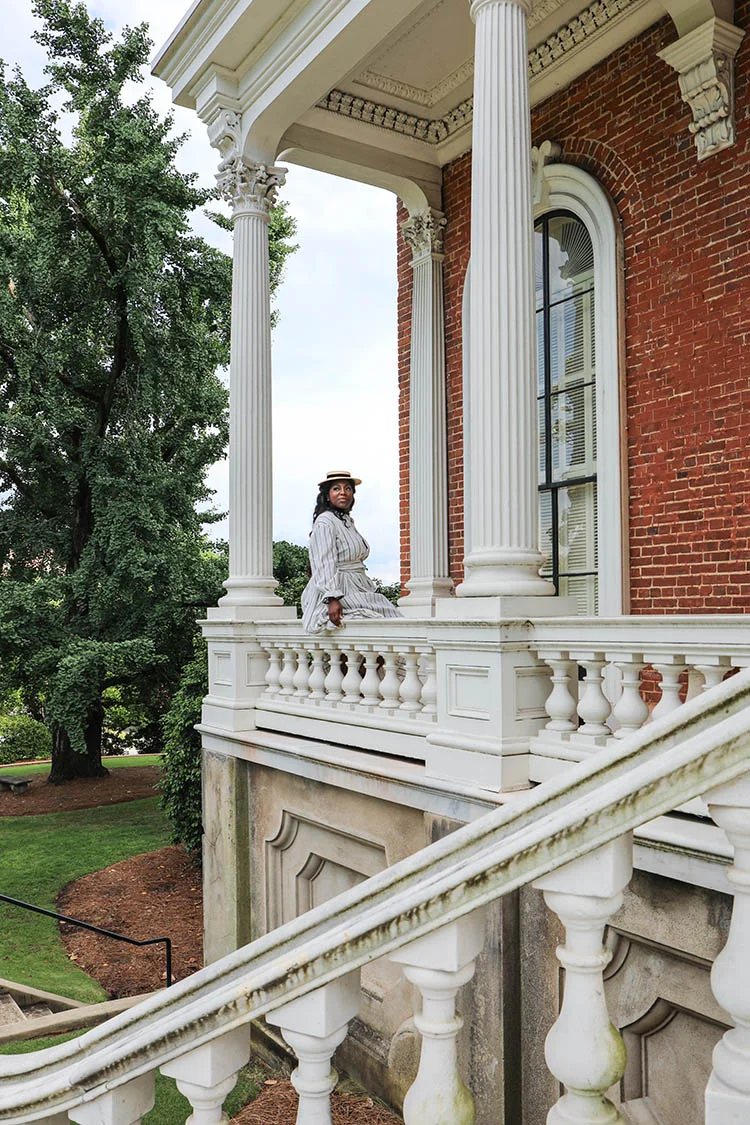
From a photographer’s standpoint, I wanted to select a location that was not only an accurate depiction of that time period, but also had the architectural integrity to represent this Antebellum era. From a personal standpoint I have always had a love and passion for the history of architecture. I have studied cultural history from many different time periods and am able to look at a structure and identify the decade from which that architectural style emerged. When picking a location, the historic architecture was a very important factor in the decision-making
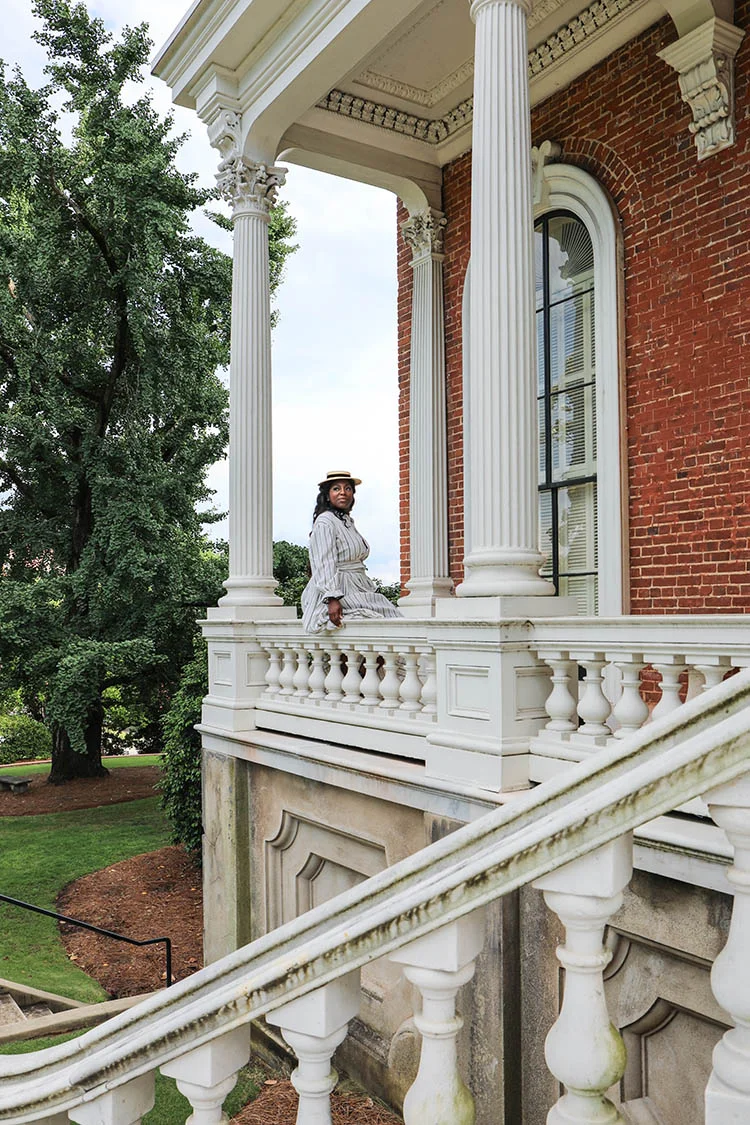
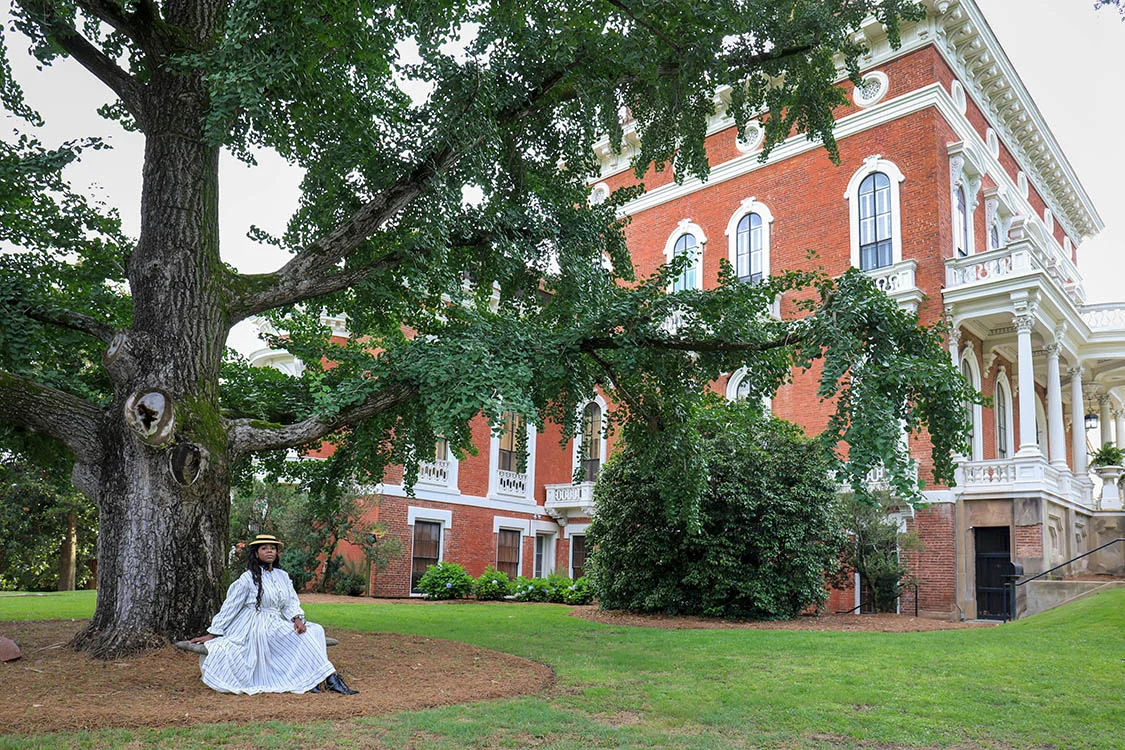
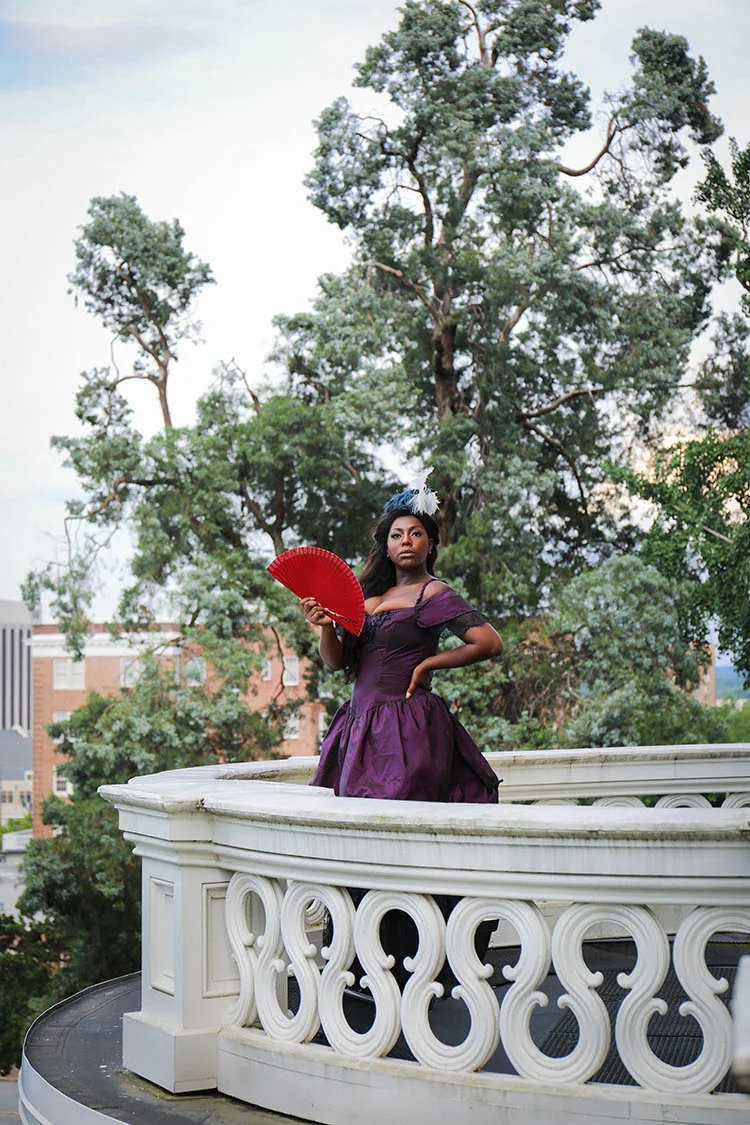
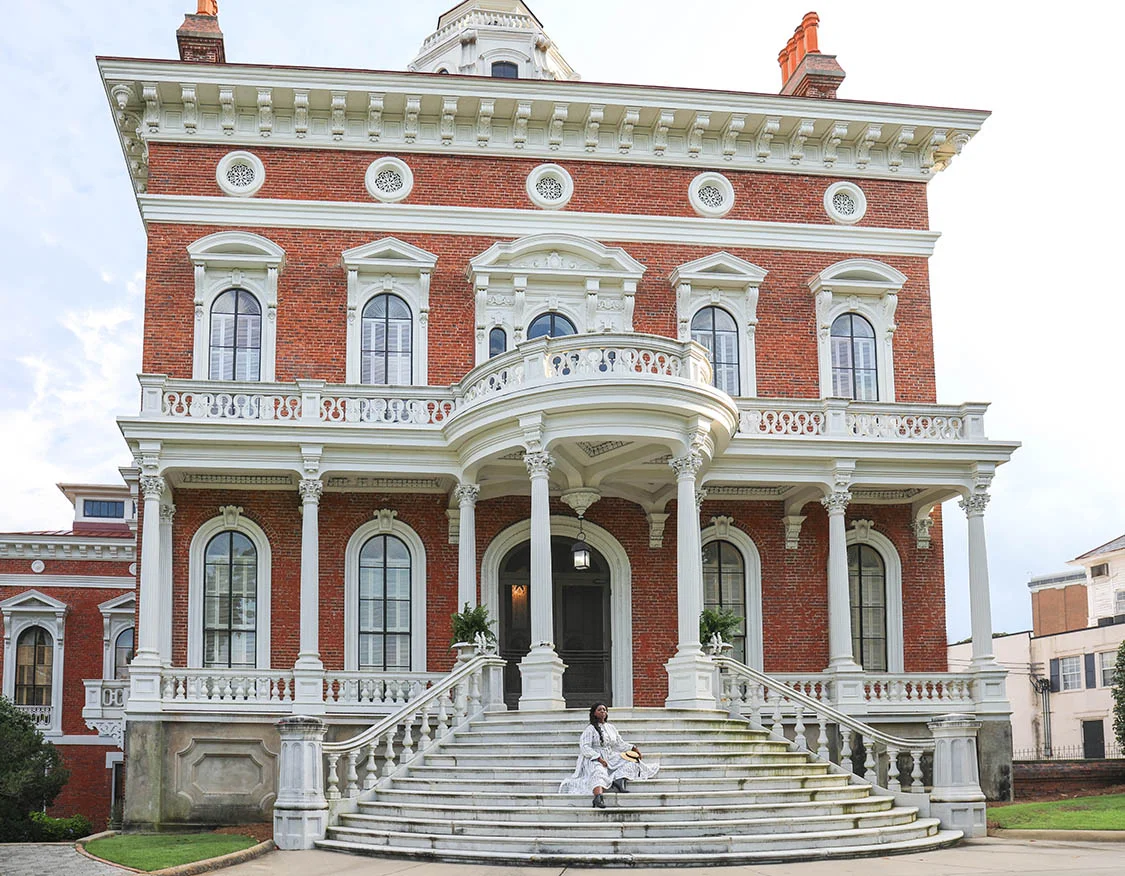
Once we had a location it was important to make sure other aspects of cultural history were accurate as well. I studied the history of photography in my schooling, and have been collecting old photographs for decades from antique stores across the country. In the 1800s, the process of photography wasn’t easy for the photographer or the subject, and to be photographed was a luxury. Only important people of the time could afford to own a camera, let alone schedule a photographic session. Photographers were true artisans because few people knew what a “modern” camera was, and even fewer knew how to operate this machinery. Photographs took up to 30 minutes to expose (hence the lack of smiling because who wants to hold a smile for that long), and the editing process consisted of basic wet development on silver halide paper or even tin. A photograph was a mark of elegance and importance. From history books to Instagram feed — only the most important and iconic people have had their photographs survive to modern media.
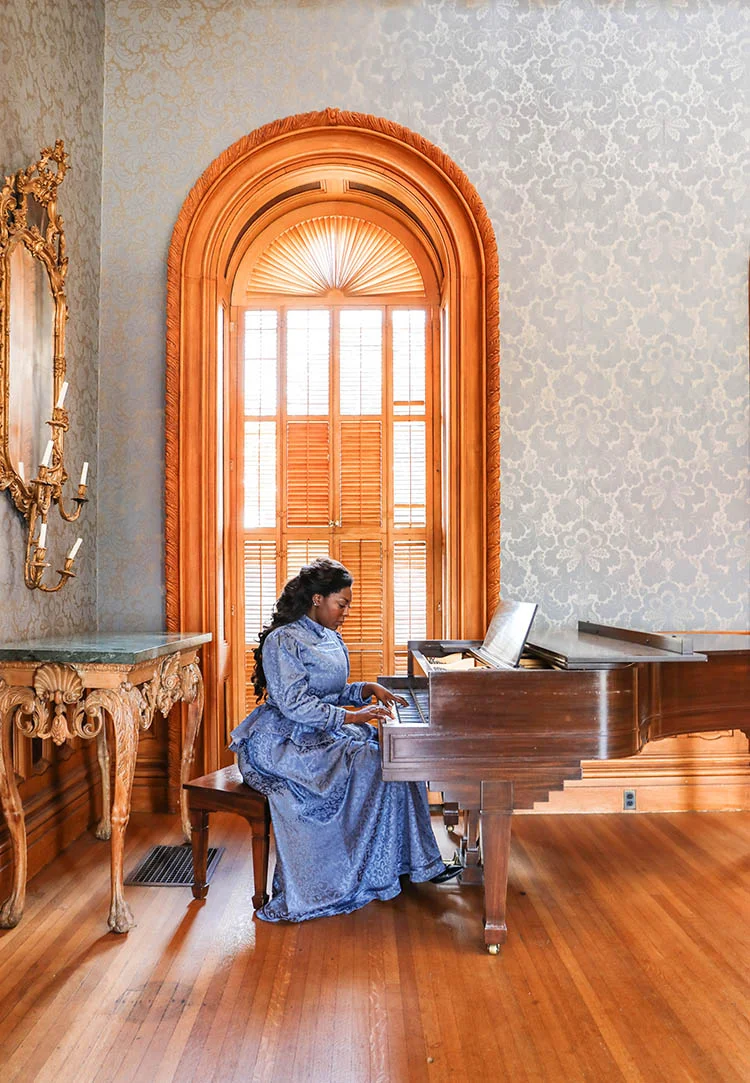
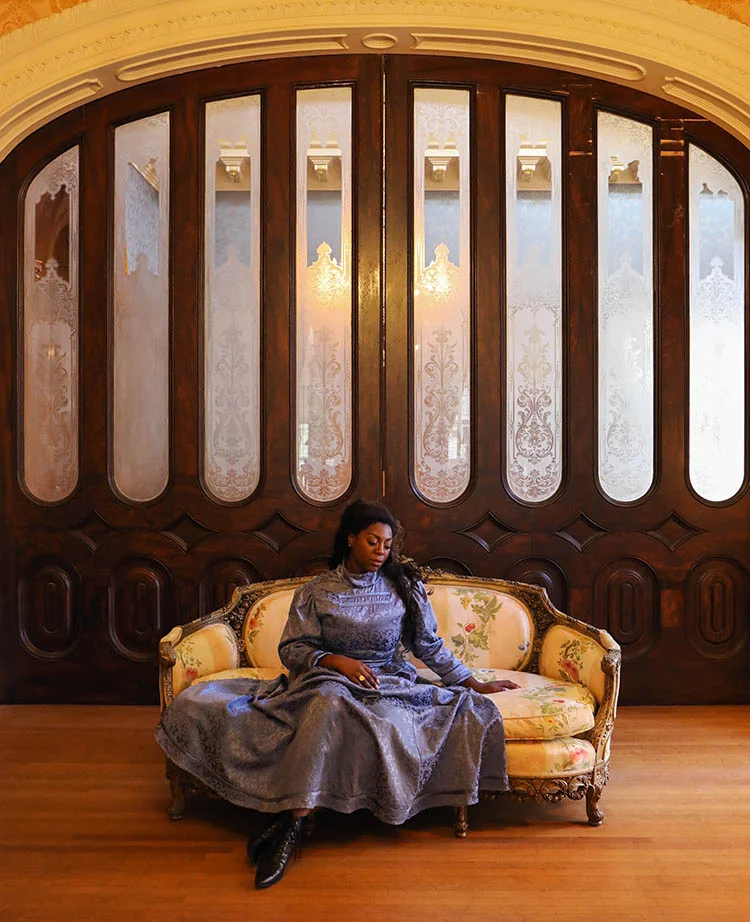
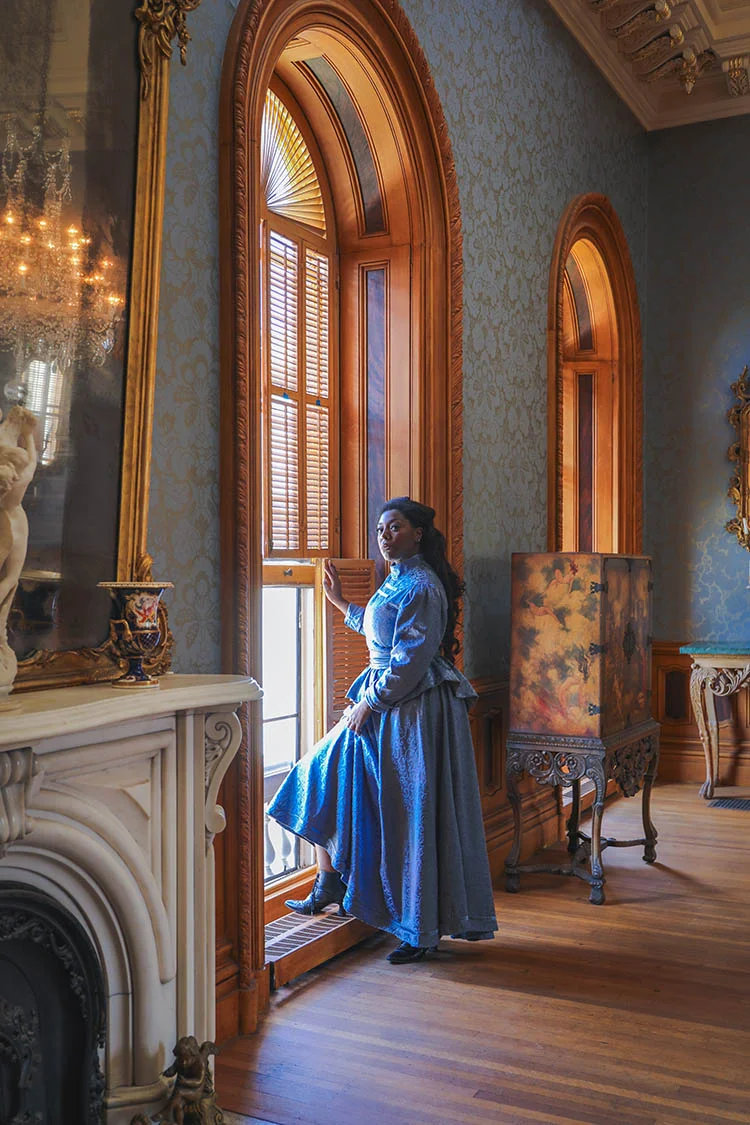
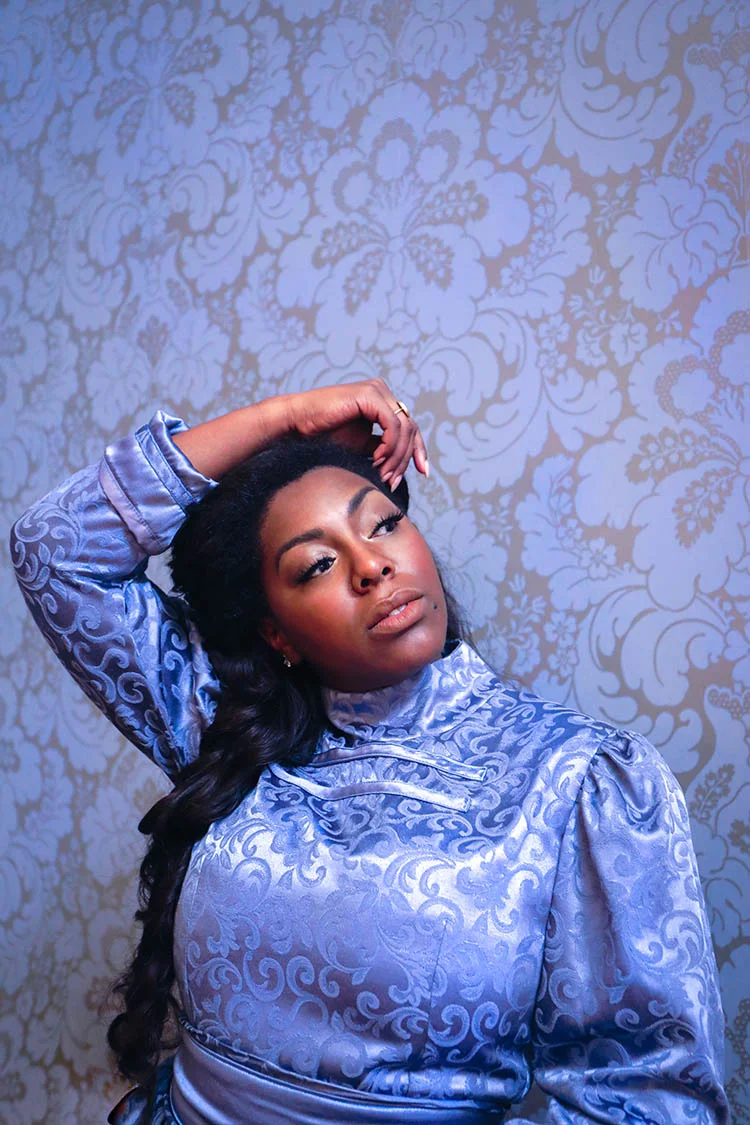
All of these factors came into the process of conceptualizing the photographic direction of our project. Intense decision-making went into the costuming, hair styling, body positioning, and posing as well as the composition of each photo regarding emotion, expression, and editing.
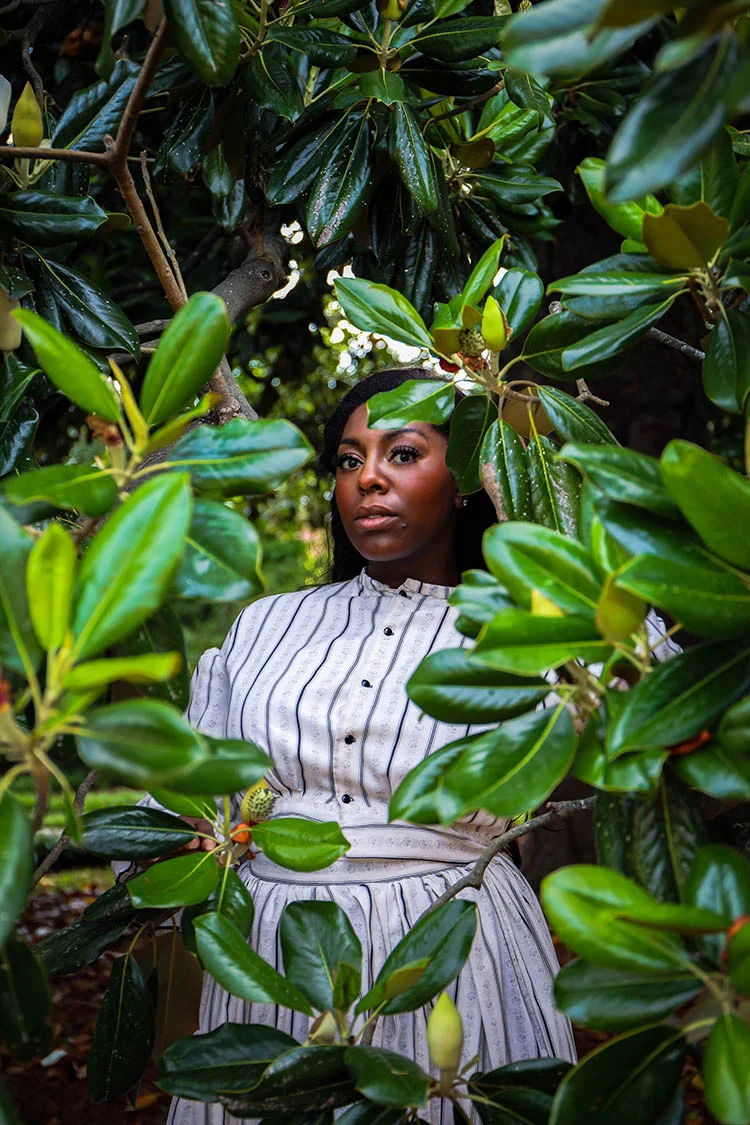
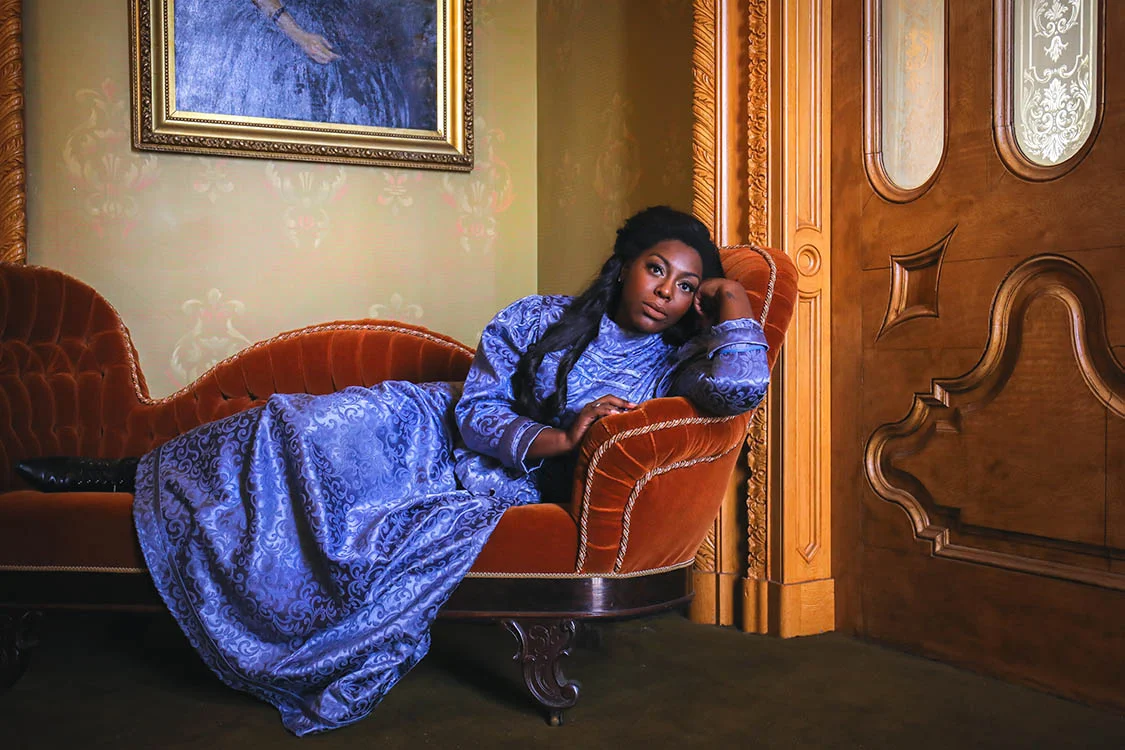
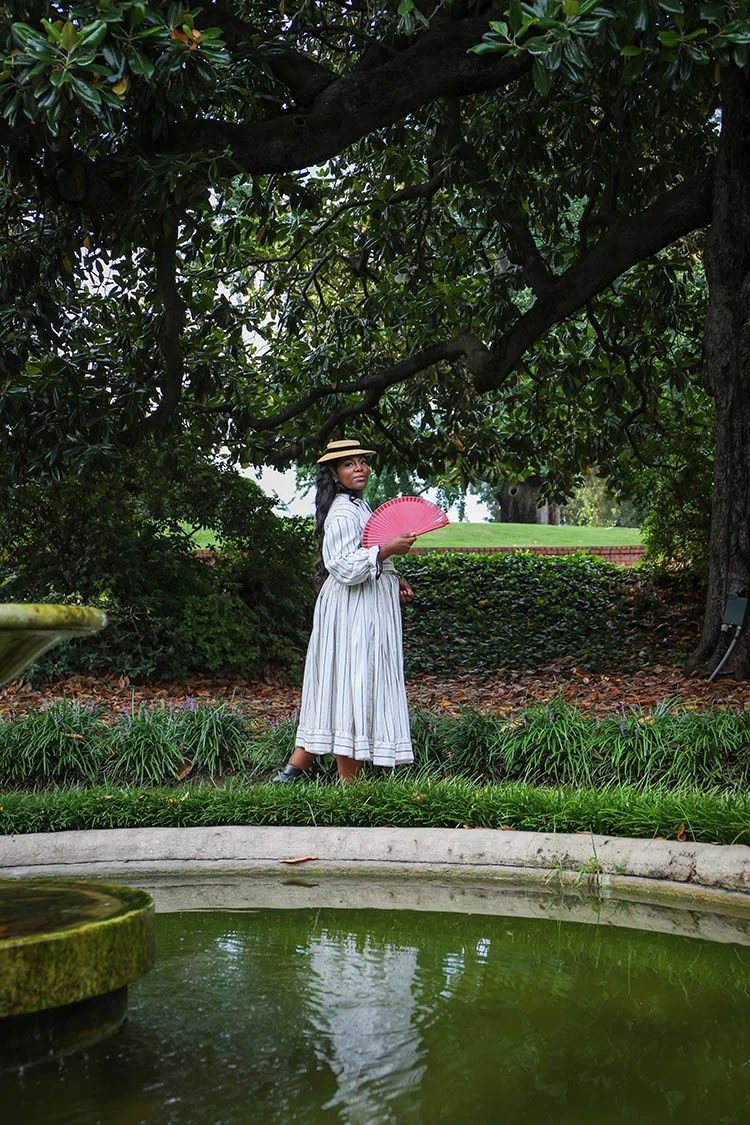
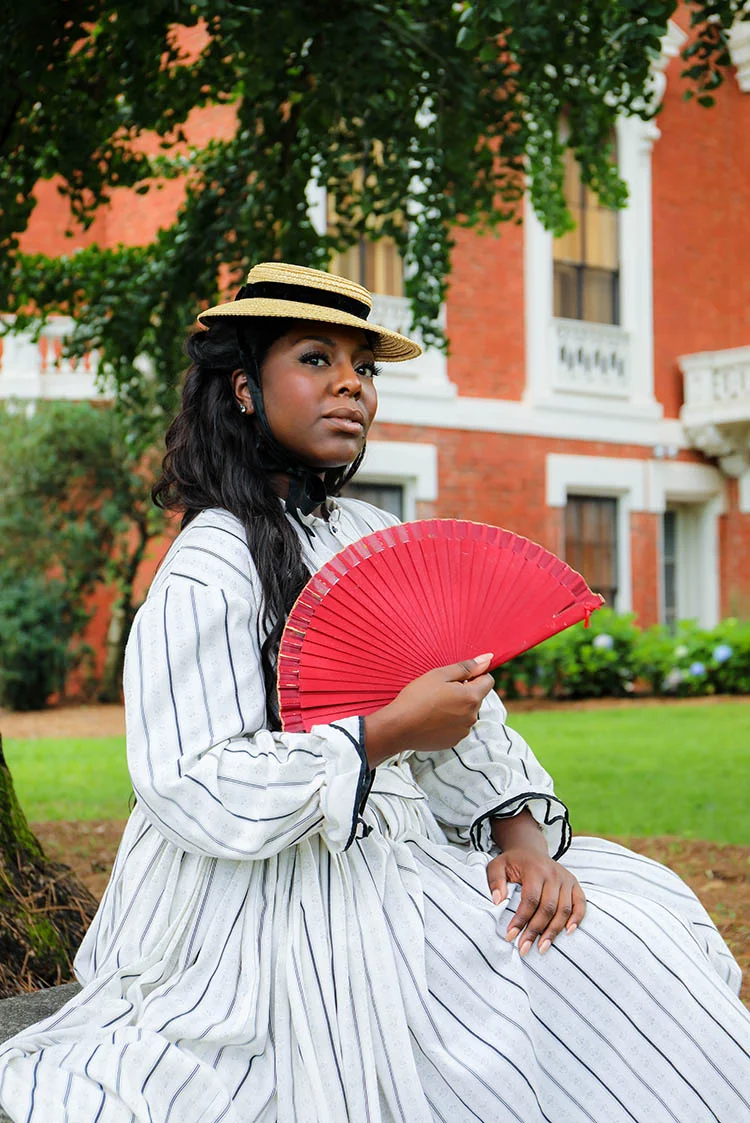
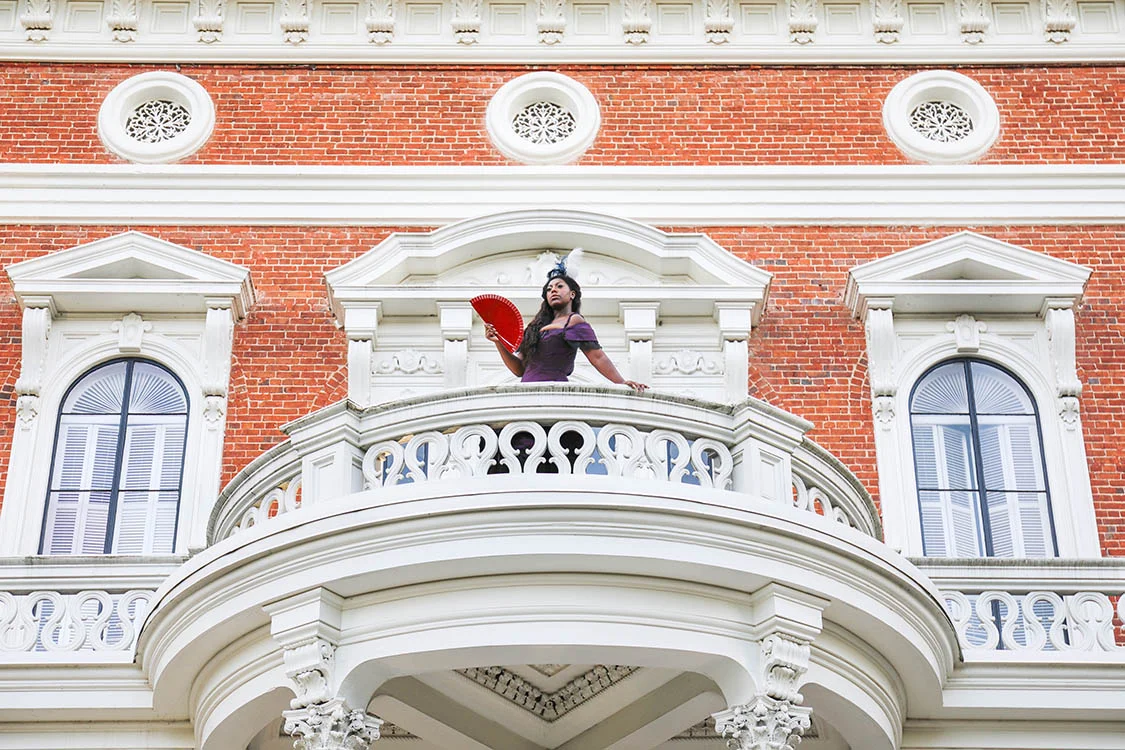
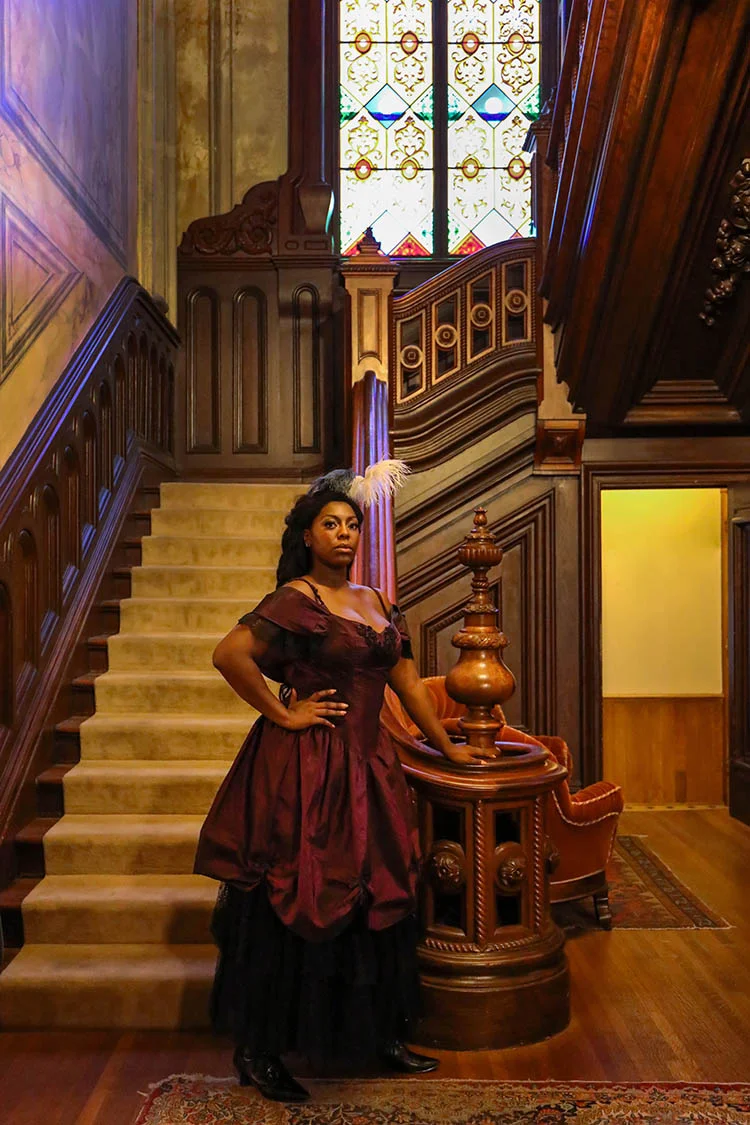
We wanted to have each photo captured in a way that echoed traditional techniques, while incorporating modernity. We moved through the house room by room, taking the energy and history of the house into consideration. A range of emotions were present in different spaces, and we were very specific to not smile or veer too far away from the delicate styling in which old subjects were captured. The intention of elevating old spirits was put into every photograph, and we channeled what it would have felt like to capture a person of color as a prominent figure at that time. By shooting in such a historical place with a modern digital camera, we further meshed the lines of history beyond technique. The photographs produced are meant to stand as an album that captures an important black female house owner in her own space. She is represented as a powerful figure in a historic time period through the use modern day techniques and facilities.
The editing process also helped me to explore the time period. I made certain technical decisions to turn down clarity, hold back saturation, and increase luminosity to mimic the look of old photos. The editing style helped implement emotion so the viewer may have an emotional reaction when looking at the subject matter, much like picking up an old photograph and looking into that time period with wonder.

REFLECTION & CULTURAL IMPACT
With this project we hope to see a cultural impact that can inspire and empower. We ask the viewer to think outside the box, and consider why the subject matter seems different.
We play with cultural and historic themes by meshing together traditional components with the modernity of today’s tools. This project would have been hard to execute without modern technology. We used the internet to search historic landmarks, flew to a new city, drove a rental car to a specific location using GPS, shot using a digital camera, and filmed behind the scenes videos using cell phones to upload media to our social channels. Even the photographs themselves are meant to be presented digitally, uploaded and shared, linked and liked. Modern media is the platform in which these historical fundamentals are used in order to create a new version of history that tells a different story.
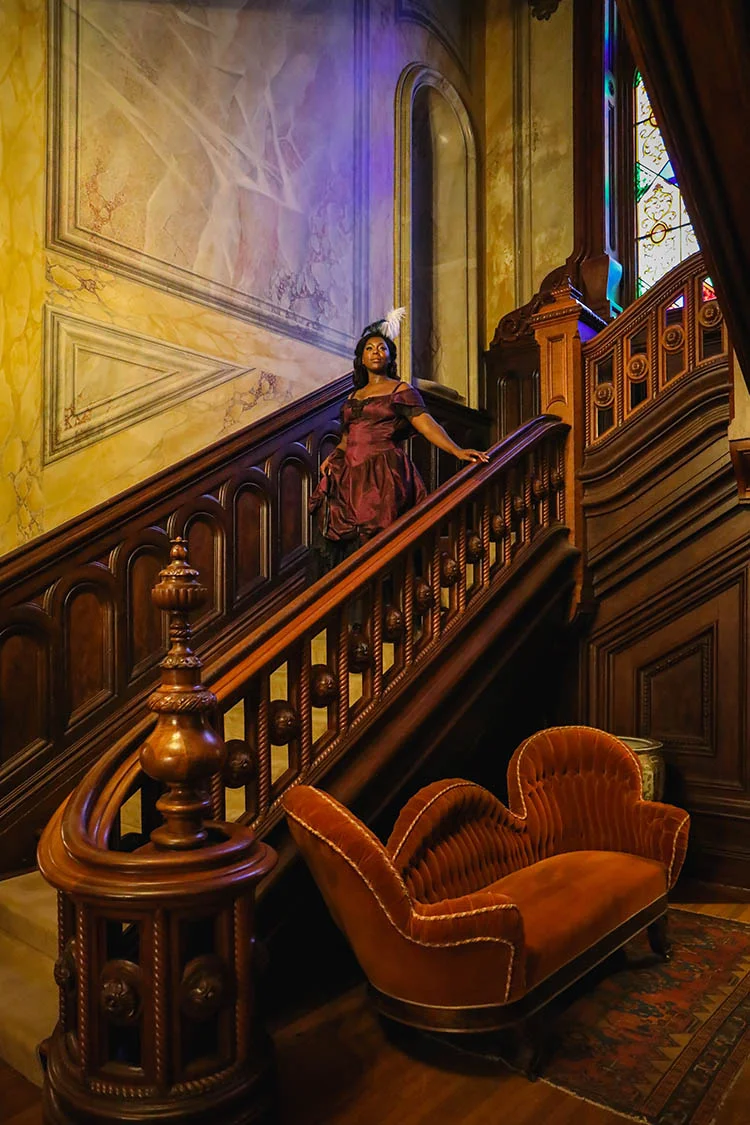
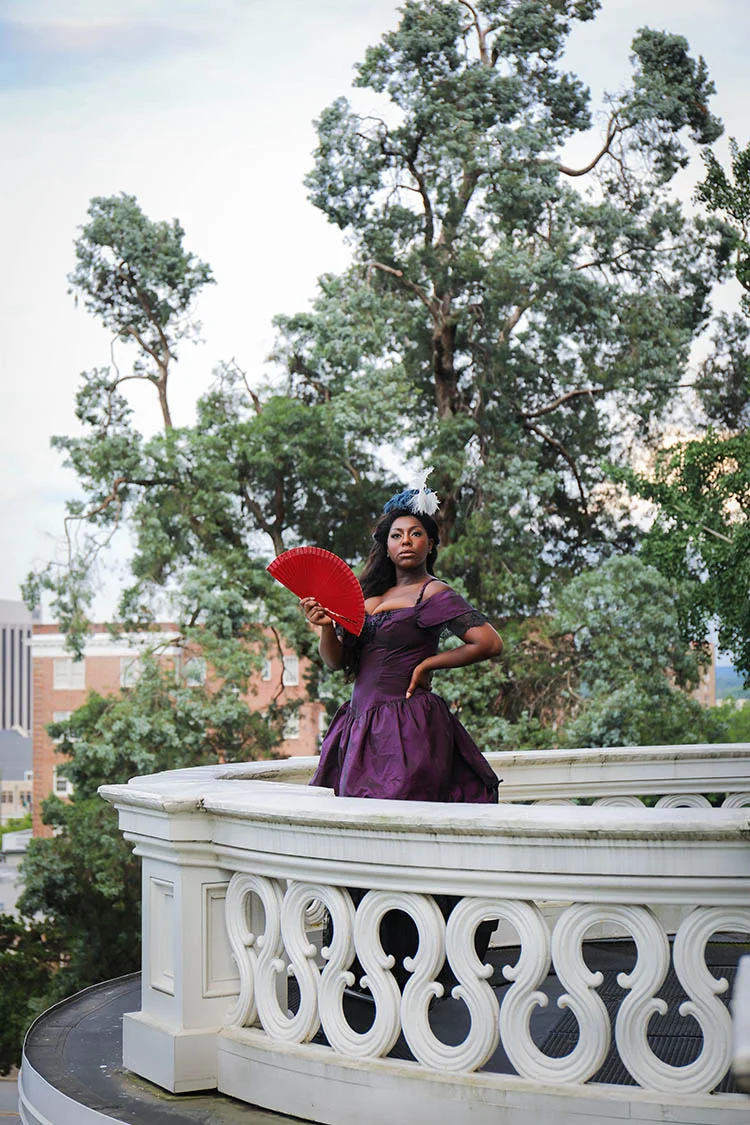
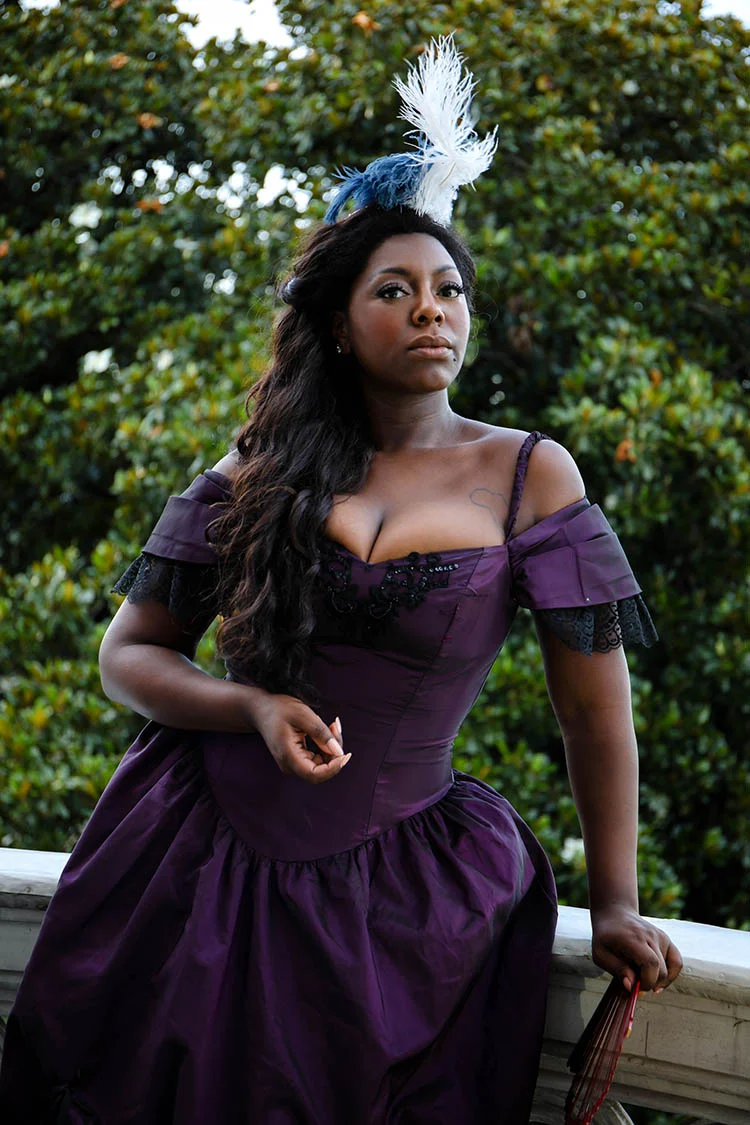
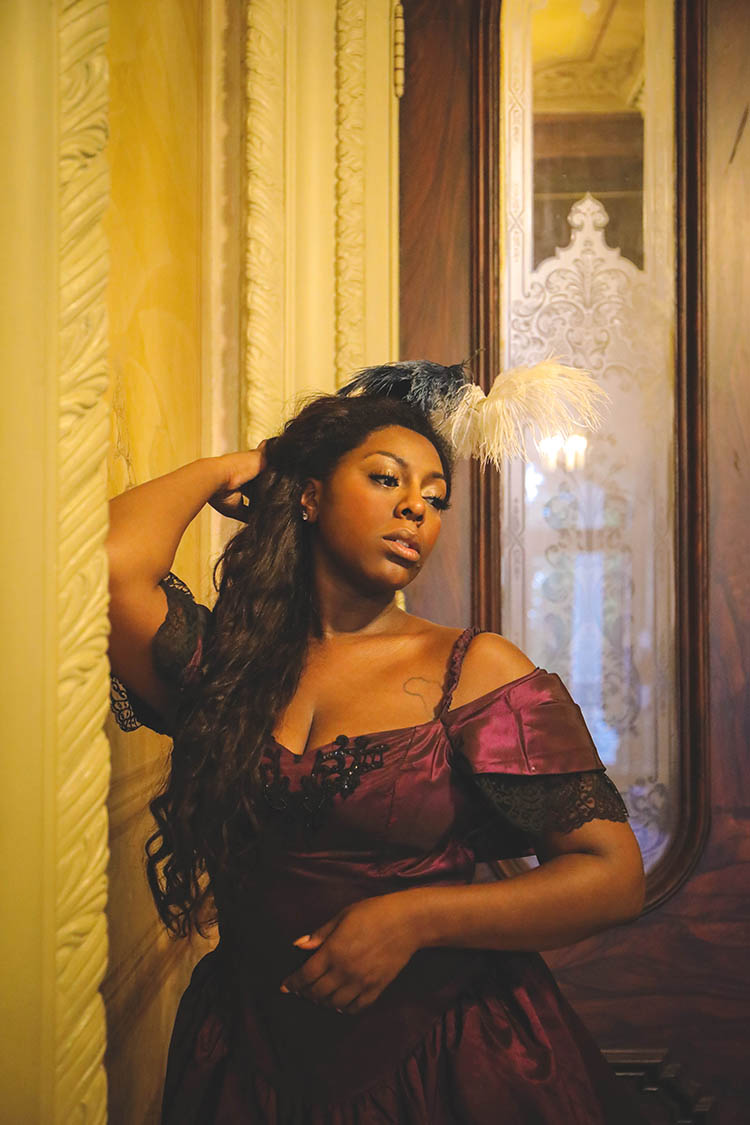
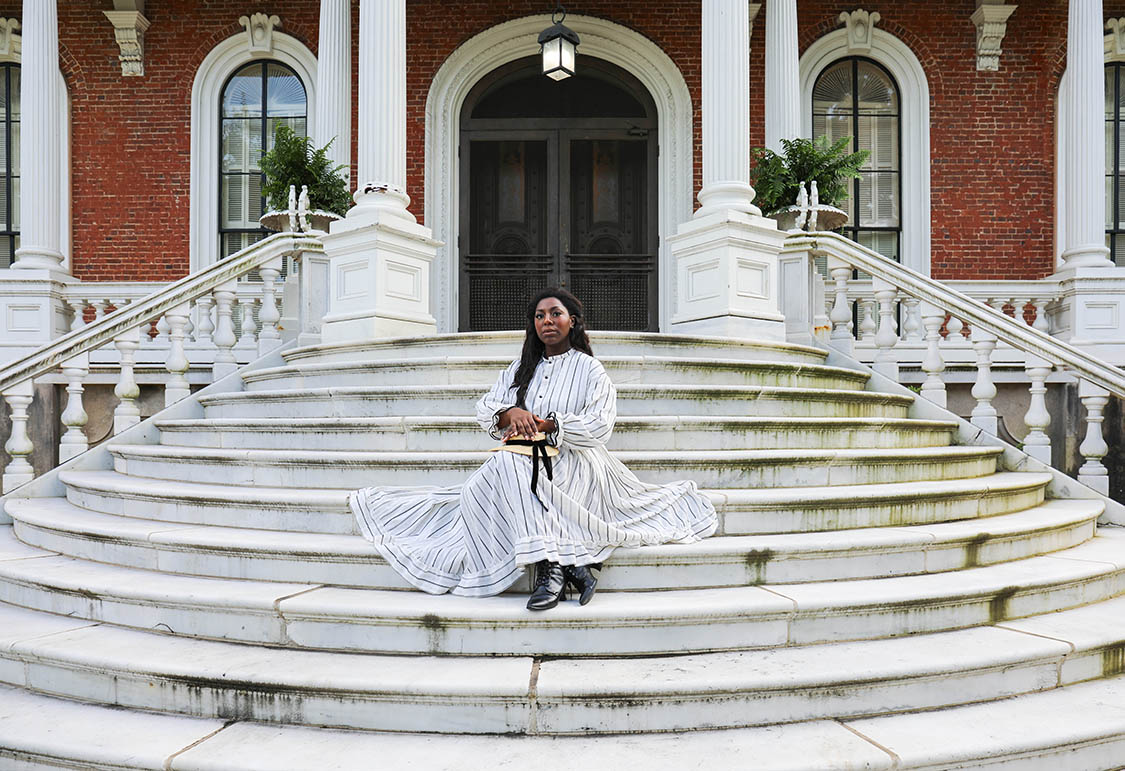
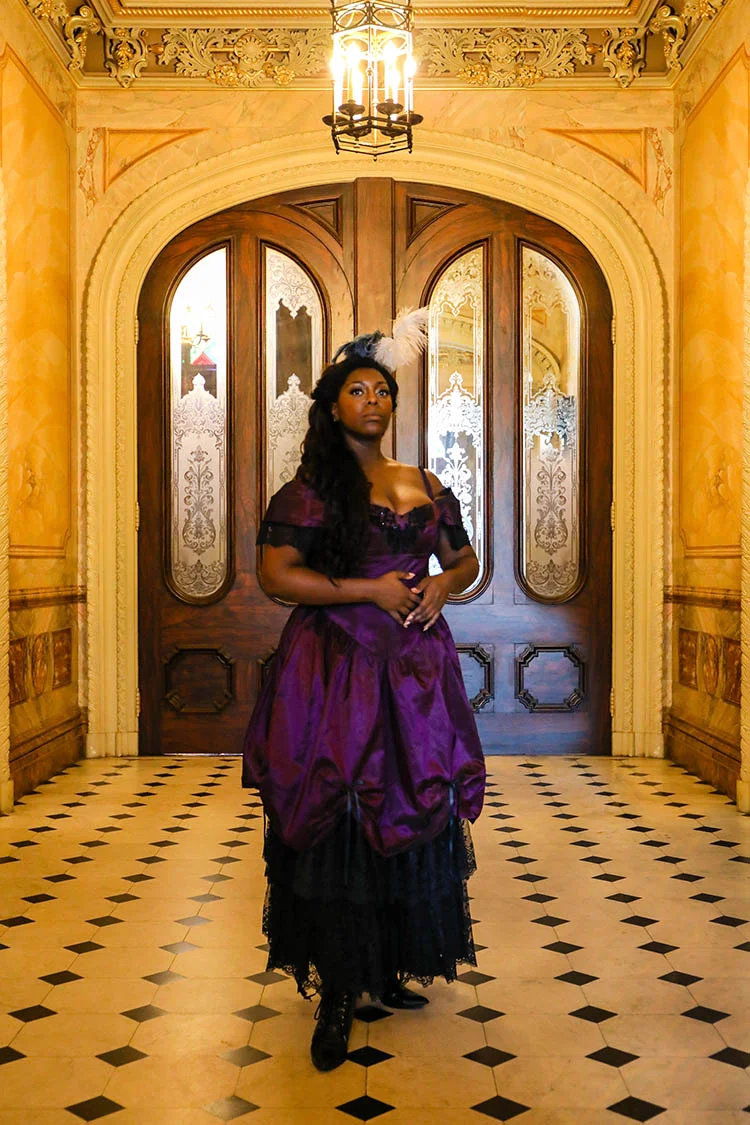
What may have not been accessible in the past can be brought to life today. Through modern media we can create a new version of history where the visibility of people of color in these spaces is meant to uplift instead of strip them from the places they themselves built. I think it’s important to even reflect on what it means for a white photographer to capture a black model at a location such as a historical plantation home. To show a person of color as the important figure of power, while the white person stands as the artisan at work, is to give life to all the spirits that stood before us, stripped of the history of the house they cultivated. It should not be lost that in addition to the modernity of the photographic process, it is the advances in culture and democracy that truly make this moment and this narrative retelling possible. Together, we flipped the scripts of time with this storyline. These photos stand as a modern time capsule in which to recover a lost story in history.
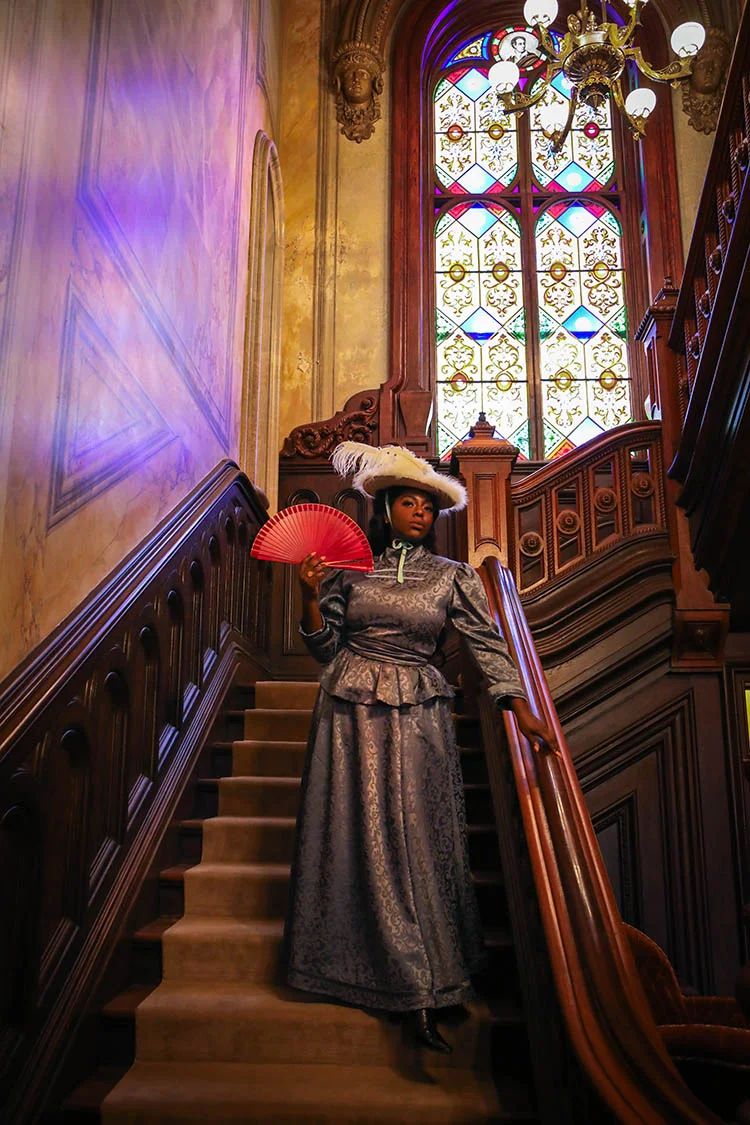
This album is meant to reshape the way we view our history, and to subtly yet dramatically create waves in the minds of our generation. Perhaps this project might not have been accessible in the past, and that metaphor is a big reason behind the motivation and desire to create such an impactful scene in your mind. We play with the medium of a traditional setting by bringing technology into a period piece using the methods of our current generation to reclaim the past.
There is a juxtaposition that lies in uploading seemingly old footage onto a modern platform such as social media, and we hope to implement the metaphor of using old foundations to create something new.
Another part of mixing media comes out in the expression of our generation. We incorporate lightheartedness into the experience of being a millennial in such a traditional place. We can’t help but use Instagram story filters, record outtakes, and capture BTS shots to poke fun at infamous media references like “hotline bling” or “new phone, who dis?”. This project is a direct product of our generation, for our generation.
It is through all these techniques that we translate and connect different time periods through a single album of photographs. From Antebellum to Beyonce, we reclaim black history through media.
EXCERPT by co-creator, Lucille Wenegieme:
“It is a tricky thing: to rob and rebrand, to claim with the intent to smother.
It’s a big game of catch & kill, like those news outlets that buy stories just to bury them.
It is not by accident that you do not see black people rejoicing on your television screen.
It is not by accident that black people are only excited on your screens when they are made into GIFs for others to use to express themselves, or when we are being positioned as too unruly to bear.
It is not by accident that you never see black people unburdened or free.
It is not by accident that you do not see black people in ownership of the things that they built.
It is not by accident that you never see black people in period pieces.
It is not by accident that you do not see black women in plantation homes.
But now you have.
And now you cannot unsee a version of history where blackness has ownership of the house that blackness built.”
XX
Lucille Wenegieme is a cultural commenter, and communications strategist from Colorado. She believes deeply that there is nothing new under the sun, and that no two topics are unrelated. Being the child of Nigerian immigrants, she has always balanced a dual perspective through which she views American cultural life: as both an outsider with deep ties to America’s international impact, and as an insider shaped deeply by the nation’s ideals and realities. An avid student of pop culture, Wenegieme consumes, analyzes and reframes current events to present salient connections from the past 70 years of American life to today. Her core focuses are fashion, civil rights, black diaspora, medical science, celebrity impact, social media, film and television.
XX
Danielle Webster is a photographer from Dallas, Texas and is currently based in Denver, Colorado. Inspired by the feeling of Impressionist painters; her artistic style is similarly influenced by the intensity of color, and meshes historical nostalgia with modern subject matter to express varying narratives. She believes in capturing raw moments, and that things don’t need to be perfect to be beautiful or have value. Danielle often works to highlight issues of social justice, conveying important stories, and prioritises inclusivity and realness in her subjects.